
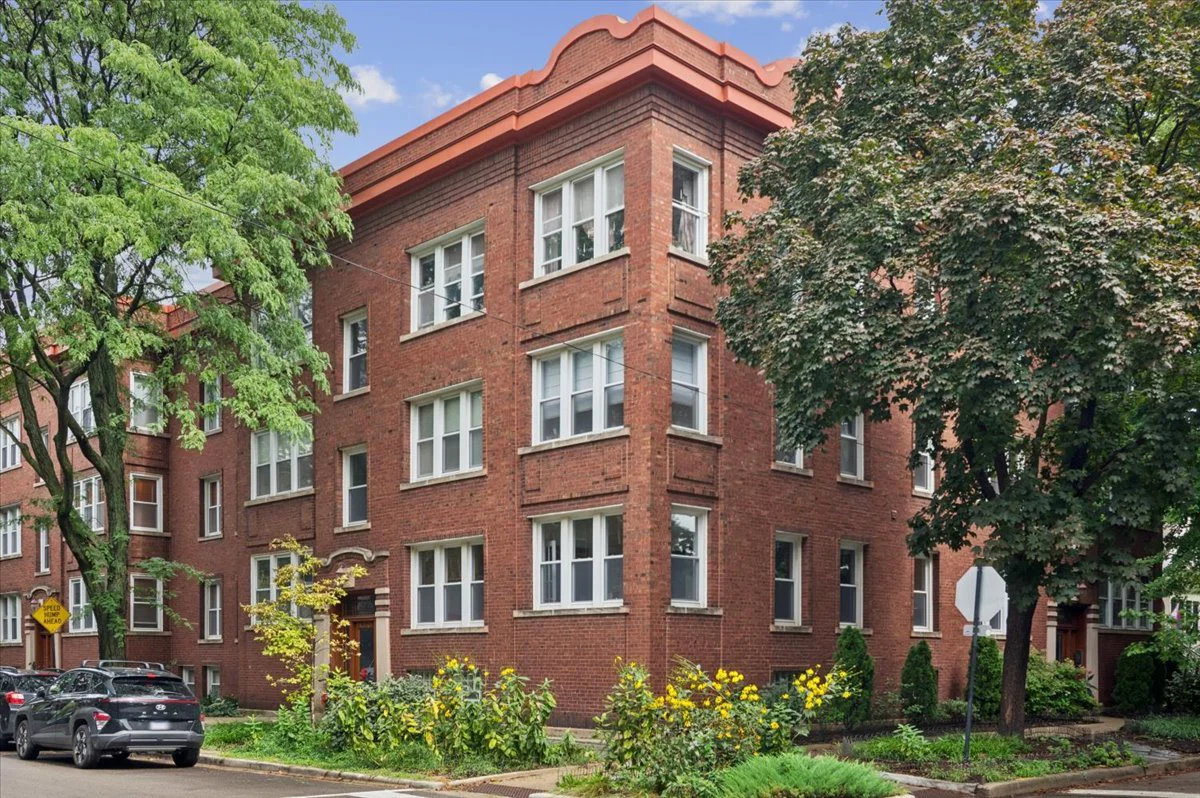
Edgewater is one of those Chicago neighborhoods that gets overlooked until buyers actually walk it. It has lake access, a strong retail strip, and prices that still leave room to breathe compared to Lincoln Park or Lakeview. That combination is drawing a wider mix of buyers this year than in past cycles.
If you're weighing Edgewater homes for sale, this guide breaks down what the neighborhood actually offers. You'll find current prices, schools, commute options, and the trade-offs buyers run into here. It's built for first-time buyers, people relocating to Chicago, and move-up buyers who want more space without leaving the lake.
Key Facts about Edgewater Housing Market
- Median sale price sits around $260,000 to $268,000, with single-family homes running well above that
- Median price per square foot is roughly $250 to $260
- Homes typically go under contract in 30 to 51 days, depending on price point and property type
- Average annual property tax bill is close to $4,700
- Edgewater covers six distinct pockets: Andersonville, Edgewater Glen, Edgewater Beach, Magnolia Glen, Epic, and Lakewood/Balmoral
Where Edgewater Sits on Chicago's Map
Edgewater runs along Lake Michigan on the city's far north side, about seven miles north of the Loop. Foster Avenue marks the southern edge. Devon Avenue marks the north. Ravenswood Avenue forms the western boundary. The lake makes up the entire eastern border, and that's a big reason people move here.
The neighborhood isn't one uniform strip. It's really six smaller areas stitched together. Andersonville, on the west side, has the boutiques and restaurants most people picture. Edgewater Beach and Edgewater Glen sit closer to the water. Expect a mix of vintage courtyard buildings and high-rise condos there. Magnolia Glen and Lakewood/Balmoral lean more residential, with tree-lined streets and single-family homes. Epic, near the southern edge, has seen newer construction lately.
Knowing which pocket you're looking at matters. A three-bedroom in Lakewood/Balmoral and a one-bedroom high-rise on Sheridan Road get grouped under the same neighborhood name. In practice, they're very different buying decisions.
What Edgewater Homes for Sale Look Like Right Now
Here's where the numbers get useful. As of early 2026, the median home sale price in Edgewater lands close to $260,000, though that figure blends condos and single-family homes together. We track these shifts closely at Julie & Chris Chesne - Chicago Realtors, since Edgewater pricing can move differently than the rest of the north side in any given quarter. Single-family houses trade much higher, often into the seven figures for larger or updated properties, while condos make up the bulk of listings and keep the median lower.
Price per square foot runs around $250 to $260 across the neighborhood. That's a bit below the citywide Chicago average of roughly $300. This gap is one reason buyers priced out of Lincoln Park or Lakeview keep looking here instead.
Days on market vary by property type. Condos tend to move faster, often in a month or less when priced right. Single-family homes can sit longer, especially at higher price points where the buyer pool narrows. Inventory has been tight across the city this year. Citywide supply is down close to 29 percent from last year, and Edgewater has followed that same pattern. Well-priced homes in good condition are drawing multiple offers again in some pockets, particularly Andersonville and Edgewater Glen.
Property Taxes and Ongoing Costs
Budget for property taxes averaging around $4,700 a year. This swings based on assessed value and whether the home has a homeowner exemption in place. Condo buyers should also factor in HOA fees, which vary widely by building. Vintage courtyard buildings with fewer amenities often run lower. Lakefront high-rises with doormen, pools, and parking can charge several hundred dollars a month or more. Always ask for at least two years of HOA financials before making an offer on a condo here.
Schools, Parks, and Everyday Life
Buyers care about schools even before kids are in the picture, since it affects resale. Edgewater falls within Chicago Public Schools. Options include Swift Elementary, Peirce School of International Studies, and Senn High School. Senn has drawn attention for its arts and IB programs. Families should confirm current boundary assignments directly with CPS, since attendance zones shift over time.
Green space is one of Edgewater's strong points. Berger Park and Lincoln Park's northern stretch both offer lakefront access, walking paths, and beach entry points. Foster Beach draws a steady summer crowd. Broadway and Clark Street carry most of the day-to-day retail. That includes grocery stores and the restaurant strip in Andersonville, which pulls visitors from across the city.
Getting Around: Commute and Transit
Edgewater is genuinely walkable, and that's not just marketing language. Many blocks score in the high 70s to 90s on standard walkability measures. Groceries, coffee shops, and transit are all within easy reach without a car. The CTA Red Line runs through the neighborhood, with stops at Berwyn and Bryn Mawr. That puts downtown Chicago within a 25 to 35 minute ride, depending on the station and time of day. Lake Shore Drive access on the south end also makes a car commute manageable for buyers who need one.
For anyone relocating from a city with a longer typical commute, this is often a pleasant surprise. It's a real factor in why move-up buyers from farther-out suburbs sometimes trade square footage for location once they land in Edgewater.
Flood Risk and Insurance Notes
Because Edgewater sits directly along Lake Michigan, flood risk deserves a real conversation, not a footnote. A meaningful share of properties in the neighborhood face some degree of flood exposure over the coming decades. Most of that risk ties to lakefront proximity and stormwater patterns rather than a river floodplain. This doesn't rule out buying here. It does mean asking sellers about past water issues, checking flood zone maps for a specific address, and getting an insurance quote before you sign a contract, not after.
Is Edgewater Right for You?
For first-time buyers, Edgewater offers a lower entry price than many north side neighborhoods, with the trade-off being that most available inventory is condos rather than houses. For people relocating to Chicago for work, the transit access and walkability cut down on the adjustment period that comes with a new city. Move-up buyers looking for more space will find it in Lakewood/Balmoral and parts of Magnolia Glen, where single-family homes with yards still exist at prices below comparable homes closer to the Loop.
If you're weighing Edgewater against neighboring areas like Rogers Park or Uptown, here's the short version. Edgewater tends to cost a bit more. In exchange, you get steadier building quality and a stronger retail corridor. None of that replaces walking the blocks yourself. Ideally, do that with an agent who knows which streets have seen recent renovation work. Finding the best real estate agent in Chicago usually comes down to someone who works this specific pocket often, not just the city in general.
If you'd like to know more about who you'd be working with, you can meet Julie and Chris and see how they approach buyer representation in neighborhoods like this one.
To see how Edgewater stacks up in the broader picture, talk with one of the top real estate agents in Chicago. Look for someone who works this specific market regularly, not just the city as a whole.