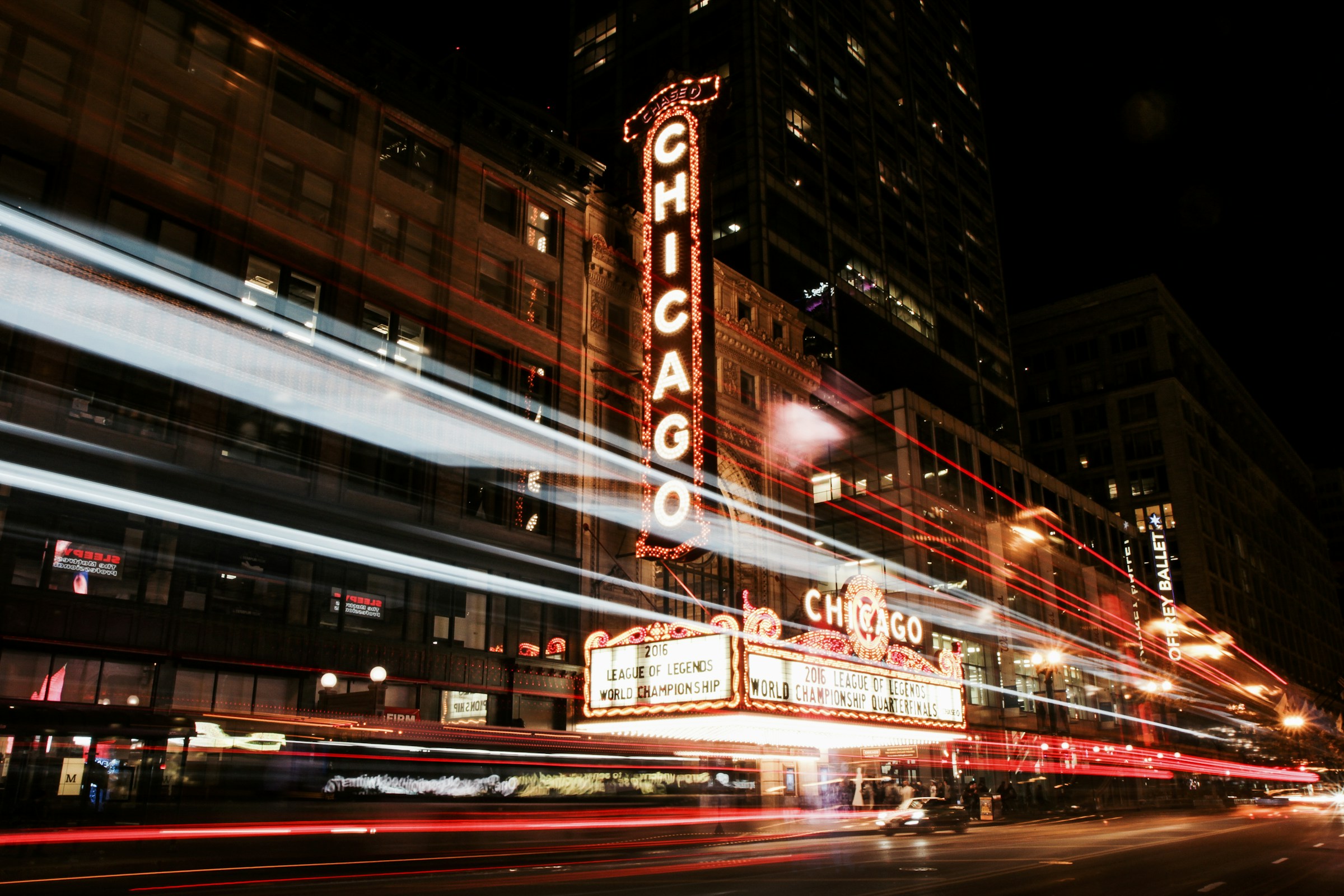
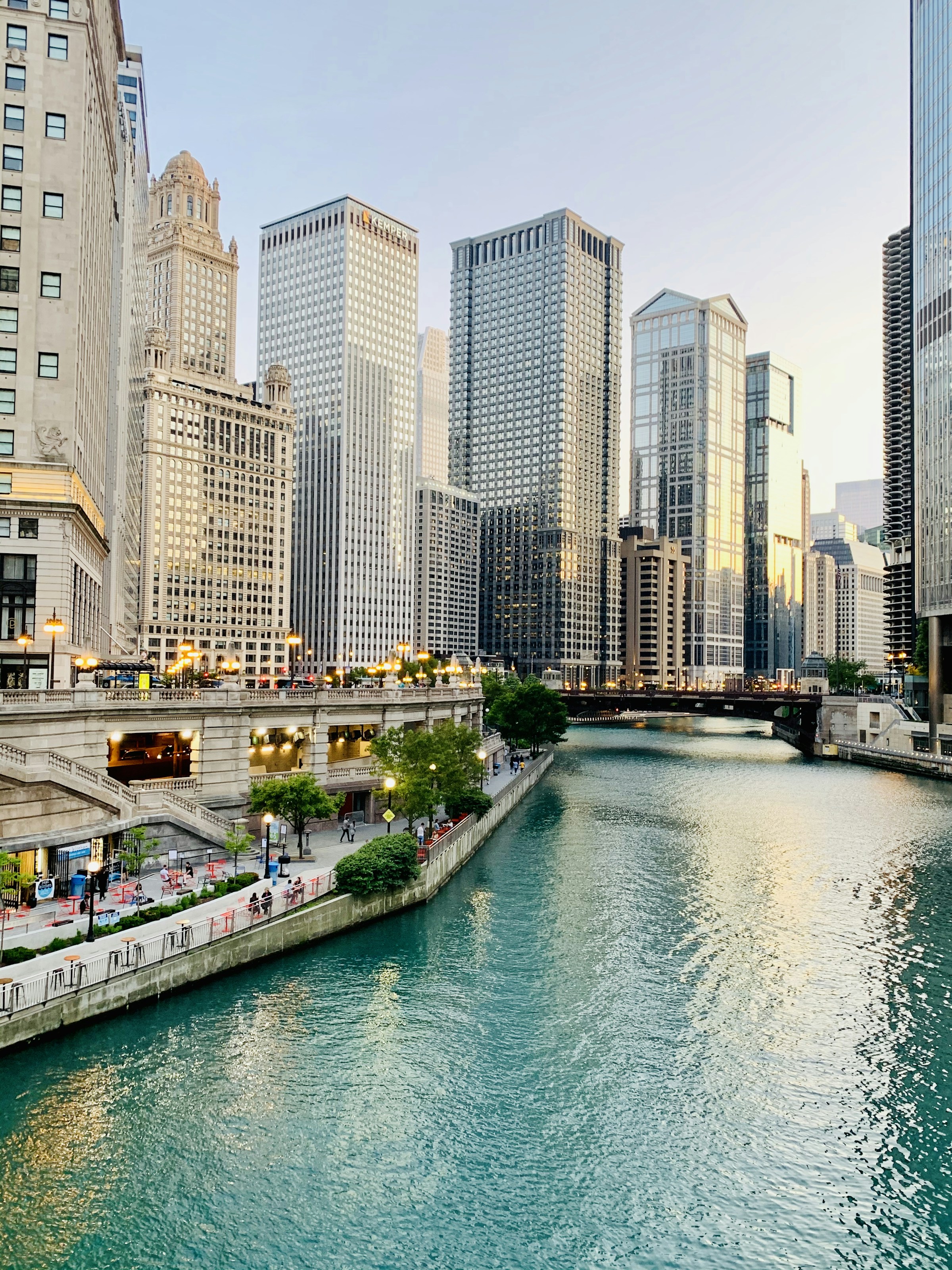
Andersonville neighborhood in Chicago

Andersonville Homes for Sale | Clark Street and Beyond

Brick two-flats, greystones, frame cottages, and vintage condos on the blocks around one of Chicago's best-preserved commercial main streets.

Andersonville at a Glance

Community Area
Mostly Edgewater (community area 77), extending south into Uptown (community area 3). Andersonville is a neighborhood, not a community area.
Boundaries
Foster Avenue south, Bryn Mawr Avenue north, Ravenswood Avenue west, and roughly Glenwood or Magnolia Avenue east. Sources differ on the eastern line.
Median Sale Price
Approximately
$750,000
three months ending March 2026, up roughly 3 percent year over year
Median Price Per Square Foot
Approximately
$467
three months ending March 2026, up roughly 4 percent year over year
Days on Market
Approximately
42 days
three months ending March 2026
Historic District
Andersonville Commercial Historic District, National Register of Historic Places, roughly the 4800 to 5800 blocks of North Clark Street
Transit
Number 22 Clark bus along the commercial spine, CTA Red Line at Berwyn and Bryn Mawr just east of the neighborhood, and Metra Union Pacific North at Ravenswood to the southwest
ZIP Codes
60640 primarily, with 60660 at the northern edge

Sources: Redfin Andersonville neighborhood market data (three months ending March 2026), National Register of Historic Places listing for the Andersonville Commercial Historic District, Chicago Transit Authority, and Metra. No census population figure is published for Andersonville because it is a neighborhood rather than a community area. Market figures should be confirmed against MRED / MLS data and reviewed each January.

Neighborhood Guide

Andersonville Real Estate
|
A Main Street Neighborhood Seven Miles North

Andersonville is a North Side Chicago neighborhood built around a mile of preserved commercial storefronts on Clark Street, and most Andersonville homes for sale on the blocks behind that street are brick two-flats, greystones, frame cottages, and vintage condo conversions. It is not one of Chicago's 77 community areas. It is a neighborhood in the western half of the Edgewater community area that also extends south across Foster Avenue into Uptown, which is why its boundaries differ slightly between sources. The most commonly cited version runs from Foster Avenue on the south to Bryn Mawr Avenue on the north, and from Ravenswood Avenue on the west to roughly Glenwood or Magnolia Avenue on the east. Swedish immigrants settled the area after the 1871 fire, when Chicago outlawed wooden construction inside city limits and building outside them became the affordable option.

Local Highlights & Amenities

What to Love About Andersonville

  • 1

    A Main Street on the National Register

    Roughly a mile of North Clark Street is listed on the National Register of Historic Places as the Andersonville Commercial Historic District, with early twentieth century storefronts largely intact. It is a working commercial street rather than a preserved one, which is the rarer thing.

  • 2

    Independent Retail Instead of Chains

    Women & Children First at 5233 North Clark Street is one of the longest-running independent bookstores in the country and runs a busy author-event calendar, and the Andersonville Galleria at 5247 North Clark Street gives four floors of space to local makers and artists. National chains are close to absent from the strip.

  • 3

    Swedish Institutions Still Operating

    The Swedish American Museum at 5211 North Clark Street covers the immigration history with a permanent exhibit, a cafe, and a third-floor children's area, and Simon's Tavern at 5210 North Clark Street has been pouring on the same block since the 1930s and still serves glogg in winter.

  • 4

    Restaurant Density Well Above Its Size

    Hopleaf, Big Jones, Bar Roma, Anteprima, Jin Ju, Vincent, and Lost Larson all sit within a few blocks of each other on or just off Clark Street. For a neighborhood this small, that concentration is unusual and it is a large part of what holds values up.

  • 4

    Two-Flats and Small Buildings, Not Towers

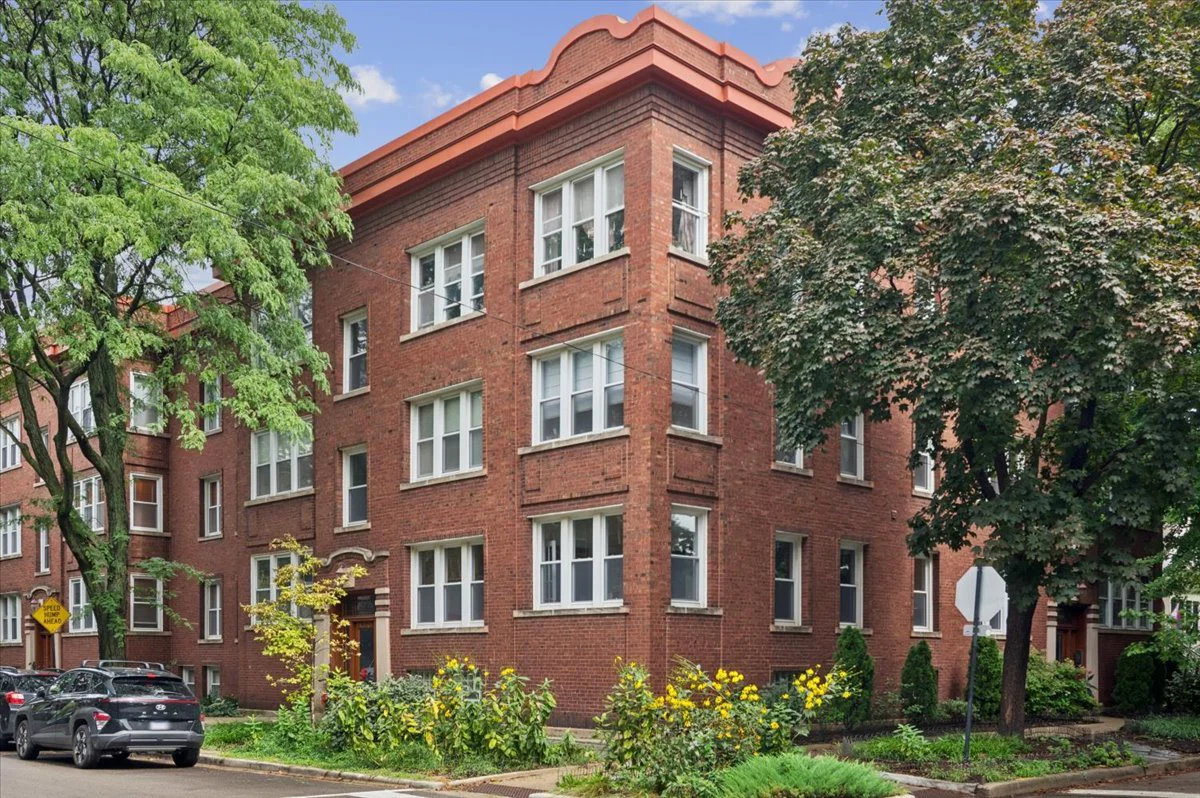
    The residential blocks are built out with brick two-flats and three-flats, greystones, frame cottages, and small courtyard buildings. Buyers who want a whole small building rather than a unit in a large one, whether to owner-occupy or to hold, have real options here.

  • 6

    Midsommarfest and a Real Street Calendar

    Midsommarfest, the Clark Street summer solstice festival that grew out of the neighborhood's Swedish tradition, is one of the larger street festivals in Chicago, and the Andersonville Chamber of Commerce programs the strip through the year.

  • Sub-Areas and Property Types

    Andersonville Sub-Areas |
    A Buyer's Guide

    Andersonville is small enough that it has no formal sub-neighborhoods the way a community area does. What it has instead are segments that behave differently, organized around Clark Street and the boundary streets, and knowing which one a listing sits in matters more than the name on the sign.

    The Clark Street Commercial Core

    The spine of the neighborhood is North Clark Street between Foster and Bryn Mawr, inside the National Register historic district. Residential inventory directly on and immediately behind Clark is mostly condo conversions in mixed-use buildings, apartments above storefronts, and small courtyard buildings, with a handful of two-flats on the immediate side streets. Buyers here trade quiet for the shortest possible walk to the restaurants, the bookstore, the museum, and the number 22 Clark bus, and they should expect commercial noise, delivery traffic, and full street closures during Midsommarfest and other festival weekends. Parking is genuinely scarce, to the point that deeded spaces trade separately in this pocket.

    ‍

    West Andersonville

    West of Clark Street toward Ashland and Ravenswood, the neighborhood turns residential quickly. These blocks hold most of Andersonville's single-family homes and its larger brick two-flats and three-flats, on standard Chicago lots with mature street trees, along with a scattering of frame cottages that predate the masonry buildings around them. It is the quietest part of the neighborhood and generally where the largest houses trade. The Ravenswood Avenue rail corridor forms the western edge, which puts these blocks within reach of the Metra Ravenswood station and adjacent to Lincoln Square's Bowmanville pocket.

    ‍

    East Andersonville

    East of Clark toward Glenwood and Magnolia, the housing gets denser and the buildings get taller, moving toward the three-flats, larger courtyard buildings, and small mid-rise condo buildings that characterize the rest of Edgewater. The East Andersonville Residents Council, formed in 1972, has represented these blocks for over fifty years, which is a fair indicator of how organized neighborhood life is here. This segment offers the most accessible condo pricing in Andersonville and the shortest walk east to the CTA Red Line at Berwyn and Bryn Mawr, which sit just outside the neighborhood's eastern edge.

    ‍

    SoFo, South of Foster

    The stretch of Clark Street south of Foster Avenue, known locally as SoFo, is the part of Andersonville that sits in the Uptown community area rather than Edgewater. It carries the southern end of the commercial historic district, including Bar Roma at 5101 North Clark Street, and its residential blocks mix two-flats and larger vintage apartment and condo buildings. This is the segment where the community area line matters most in practice: a listing here is marketed as Andersonville, is genuinely in Andersonville by every local definition, and will nonetheless pull Uptown comparables in an automated valuation. Confirm what a listing is actually being compared against.

    ‍

    The Bryn Mawr Edge

    The northern boundary along Bryn Mawr Avenue is where Andersonville meets the rest of Edgewater, and the transition is gradual rather than sharp. Housing along and just south of Bryn Mawr includes two-flats, courtyard buildings, and condo conversions, with Peirce Elementary School on Bryn Mawr itself. Buyers looking at this edge should be clear on which neighborhood a listing is in and which it is being priced as, because Edgewater and Andersonville carry materially different per-square-foot figures and both names get used loosely along this line.

    ‍

    Living in Andersonville | Dining, Shopping, and Things to Do

    Dining

    Almost everything worth eating in Andersonville sits on Clark Street or within a block of it, which means a resident anywhere in the neighborhood is a short walk from all of it.

    Hopleaf

    Hopleaf, at 5148 North Clark Street, is a Belgian beer bar and gastropub with a wood-panelled back dining room, a long European draft list, and mussels and frites that have been the reason to go for years.

    Big Jones

    Big Jones, at 5347 North Clark Street, cooks Southern and Creole food with real historical grounding, from fried catfish over etouffee and stone-ground grits to shrimp and grits and sweet potato biscuits.

    Bar Roma

    Bar Roma, at 5101 North Clark Street just south of Foster, is the neighborhood's busiest Italian room, doing handmade pasta and lasagna in a space that fills early.

    Anteprima

    Anteprima, at 5316 North Clark Street, is the quieter Italian option, a small room with an enclosed heated patio and a menu that changes with the season.

    Vincent

    Vincent, at 1475 West Balmoral Avenue, is an American bistro a half block off Clark, known for baked brie, gnocchi, mussels, and a cocktail list that outperforms the room's size.

    Jin Ju

    Jin Ju, at 5203 North Clark Street, has been serving Korean food and soju cocktails on this block for roughly two decades.

    Lost Larson

    Lost Larson, at 5318 North Clark Street, is the Scandinavian-leaning bakery and cafe, turning out kouign amann, cardamom buns, and princess cake. It is the neighborhood's answer for morning pastry.

    Middle East Bakery and Grocery

    Middle East Bakery and Grocery, at 1512 West Foster Avenue, is a combined grocery and counter kitchen with pita, spreads, shawarma plates, bulk grains and spices, and a well-stocked sweets case.

    Simon's Tavern

    Simon's Tavern, at 5210 North Clark Street, is the neighborhood's oldest bar, dark and unchanged, with Schlitz on draft, a jukebox, and glogg served warm in winter. Cash only.

    Shopping

    Andersonville's retail is the reason people pay a premium to live here, and it is concentrated almost entirely on Clark Street between Foster and Bryn Mawr. The strip is a run of independent storefronts in early twentieth century buildings, with very little national chain presence.Antique and vintage dealers, home goods shops, clothing boutiques, and salons fill most of the strip.

    Women & Children First

    Women & Children First, at 5233 North Clark Street, is one of the longest-running independent bookstores in the country and hosts author events most weeks.

    ‍

    The Andersonville Galleria

    The Andersonville Galleria, at 5247 North Clark Street, gives four floors of individual booths to local artists, makers, and small brands, which makes it function as a permanent indoor market rather than a single shop.

    Middle East Bakery and Grocery

    For groceries, Middle East Bakery and Grocery on Foster covers specialty and bulk goods, and full-size supermarkets sit a short trip east on Broadway and west on Western Avenue.

    Culture

    The neighborhood's museums, archives, and theater sit on Clark Street and a few blocks west on Ashland Avenue.

    Swedish American Museum

    The Swedish American Museum, at 5211 North Clark Street, is the neighborhood's cultural anchor, with a permanent exhibit on Swedish immigration, rotating shows, a cafe, a gift shop, and a third-floor hands-on area for small children.

    Edgewater Historical Society

    A few blocks west, the Edgewater Historical Society, at 5358 North Ashland Avenue, occupies a former firehouse and keeps the local archive, including material on the vanished Edgewater Beach Hotel and on the area's three historic districts. It opens weekend afternoons.

    Neo-Futurists

    For theater, the Neo-Futurists perform at 5153 North Ashland Avenue, running late-night and experimental work in a small upstairs space at accessible ticket prices.

    Things to Do

    Andersonville's calendar runs on the commercial strip rather than on parkland.

    Midsommarfest

    Midsommarfest, which grew out of the Swedish summer solstice tradition and now closes Clark Street for a weekend each June, is among the larger street festivals in Chicago.

    Farmers Market

    A seasonal farmers market fills in the calendar around Midsommarfest.

    Sidewalk Events

    A year-round programme of sidewalk events keeps the commercial strip busy between festivals.

    Parks

    Green space is the neighborhood's genuine weakness: there is no large park inside its boundaries, and residents use the Edgewater lakefront and its beaches a short trip east, or Winnemac Park and Rosehill Cemetery to the southwest. Buyers who want a big park at the end of the block should know that going in.

    Andersonville Schools

    Andersonville is served entirely by Chicago Public Schools, District 299, so there is one public district. Because Andersonville is a neighborhood rather than a community area, and because it straddles the Edgewater and Uptown line, attendance boundaries here cut across it in ways that do not follow the neighborhood name at all. Confirm the assignment for any specific address with Chicago Public Schools rather than assuming from the listing.

    Public Schools

  • Peirce Elementary School

    1423 West Bryn Mawr Avenue

    Peirce Elementary School, at 1423 West Bryn Mawr Avenue, sits on Andersonville's northern boundary and is the attendance-boundary elementary school for a large share of the neighborhood. It is an International Baccalaureate school within Chicago Public Schools.

  • Nicholas Senn High School

    5900 North Glenwood Avenue

    Nicholas Senn High School, at 5900 North Glenwood Avenue, is the Chicago Public Schools neighborhood high school serving this area. It sits just north of Andersonville in Edgewater proper, within walking distance of the neighborhood's northern blocks, and runs an International Baccalaureate programme alongside its general programme.

    ‍

  • Public High Schools

    No items found.

    Students in Andersonville also apply widely to selective enrollment and magnet schools across the city. Lane Tech College Prep in North Center and Amundsen High School in Lincoln Square are both within reach, and both are covered on their own neighborhood pages.

    ‍

    Questions & Answers

    Frequently Asked Questions About Andersonville Real Estate

    Everything you need to know about buying a home in Chicago's neighborhood.

    Ask Julie & Chris →
    01

    Is Andersonville the same as Edgewater?

    No, and the difference matters for pricing. Edgewater is one of Chicago's 77 official community areas. Andersonville is a neighborhood inside the western half of it that also extends south across Foster Avenue into Uptown. They are not interchangeable and they do not trade alike. Over the three months ending March 2026, Andersonville's median sale price was about $750,000 at about $467 per square foot, while Edgewater's active listing medians at points during 2026 sat far lower, because Edgewater's inventory is dominated by lakefront high-rise condominiums and Andersonville's is dominated by two to four unit masonry buildings and single-family homes. A listing described as Edgewater may or may not be in Andersonville, so confirm the actual location before comparing it to anything.

    01

    Why is Andersonville expensive when it is seven miles from downtown?

    Because of the main street, and because the housing is scarce. Roughly a mile of North Clark Street is listed on the National Register of Historic Places as the Andersonville Commercial Historic District, and its early twentieth century storefronts are largely intact and occupied by independent businesses rather than chains. A functioning commercial district of that kind is rare in Chicago at any distance from the Loop, and buyers pay to live within walking distance of one. At the same time the residential stock is small, mostly two-flats, three-flats, and modest single-family homes on standard lots, with very little new construction and often fewer than ten single-family listings active at a time. Scarce supply and a genuine amenity produce a per-square-foot figure above North Center and central Lakeview.

    01

    What is the average home price in Andersonville?

    About $750,000 was the median sale price over the three months ending March 2026, at about $467 per square foot, up roughly 3 and 4 percent respectively year over year, with homes selling in about 42 days. Condominiums are the accessible end of the market and make up the largest share of listings, with recent condo listings spanning roughly $349,000 to $915,000. Two to four unit buildings and single-family homes run higher. Because the neighborhood is small and sales volumes are modest, monthly medians move around a lot, so any figure should be checked against current MLS data before you act on it.

    01

    What kinds of homes can you buy in Andersonville?

    Mostly small pre-war masonry buildings rather than either houses or towers. The blocks around Clark Street are built out with brick two-flats and three-flats, greystones, frame cottages that predate the masonry around them, small courtyard buildings, and condo conversions in both purpose-built and mixed-use buildings. Single-family homes are concentrated west of Clark Street toward Ashland and Ravenswood. There are no high-rises inside the neighborhood, and new construction is limited. For buyers who want a whole small building to owner-occupy or hold, this is one of the better hunting grounds on the North Side.

    01

    Which part of Andersonville should I look in?

    It depends on what you are buying. West of Clark Street toward Ashland and Ravenswood holds most of the single-family homes and the larger two-flats and three-flats, on quiet tree-lined blocks, and is where the biggest houses trade. East of Clark toward Glenwood and Magnolia gets denser, with more three-flats, courtyard buildings, and small condo buildings, generally the most accessible pricing and the shortest walk to the Red Line. Directly on Clark Street you get the shortest walk to everything and the most street noise, festival closures, and parking difficulty. South of Foster Avenue, the stretch known as SoFo, is genuinely Andersonville locally but sits in the Uptown community area, which affects what an automated valuation compares it against.

    01

    How do you get downtown from Andersonville?

    There is no rapid transit station inside the neighborhood, which surprises people. The CTA Red Line stops at Berwyn and Bryn Mawr, both just east of the neighborhood's eastern boundary and a walk of several blocks from most of Andersonville, and the Red Line runs 24 hours. The number 22 Clark bus runs the length of the commercial strip and continues south into the city. Metra Union Pacific North trains stop at Ravenswood to the southwest and reach Ogilvie Transportation Center quickly. Whether the neighborhood feels well connected depends heavily on which block you are on, so walk the route from a specific address before deciding.

    01

    How is JDC Group different from other Andersonville real estate agents?

    JDC Group has worked the Chicago market since 1996 and lists Andersonville and Edgewater among its service areas, working the neighborhood from an office at 2350 North Lincoln Avenue. Andersonville rewards specific knowledge more than most North Side neighborhoods for three reasons. It has no official boundary, so a listing marketed as Andersonville may sit in Edgewater or Uptown and pull the wrong comparables. Two to four unit buildings dominate the stock, which makes deconversion potential, separate utilities, and garden unit legality the questions that actually decide value. And the market is small enough that monthly medians mislead. Julie Chesne holds the Certified Residential Specialist, Certified Luxury Home Marketing Specialist, Accredited Buyer's Representative, and Real Estate Negotiation Expert designations, along with the Senior Real Estate Specialist and Certified Senior Advisor credentials for clients handling a later-life move, a downsize, or the sale of a longtime family home. JDC Group is affiliated with COMPASS and has been recognized as a Chicago Association of Realtors Top Producer.

    Find Your Home in Andersonville

    JDC Group has been helping buyers and sellers across Andersonville, Edgewater, and the North Side since 1996, from vintage condo conversions on Clark Street to brick two-flats and single-family homes on the blocks west toward Ravenswood. Whether you are searching for Andersonville homes for sale, weighing a two-flat as an investment, preparing a listing, or working through a downsize or an estate sale, Julie Chesne and the JDC Group team at COMPASS will give you a straight read on the block, the building, and the number. Call (773) 807-8580 or email julie.chesne@compass.com to start the conversation.

    start the conversation
    Phone

    (773) 807-8580

    Email

    julie.chesne@compass.com

    Office

    2350 N Lincoln Ave 3rd Floor, Chicago, IL 60614