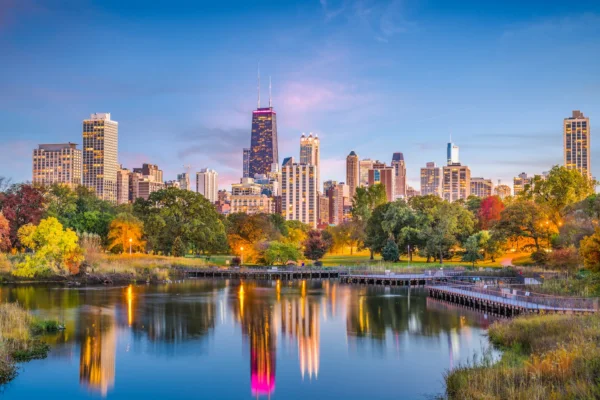
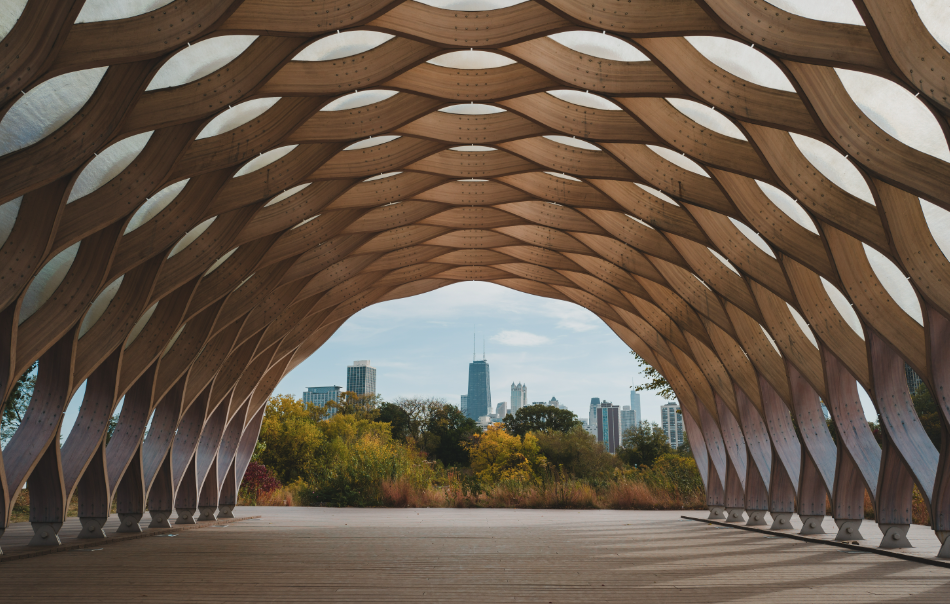
Lincoln Park neighborhood in Chicago

Lincoln Park Homes for Sale | Greystones, Condos, and Row Houses

Vintage greystones, brick row houses, courtyard condos, and single-family homes across the Old Town Triangle, Sheffield Neighbors, Wrightwood Neighbors, and Park West.

Lincoln Park at a Glance

Population
Approximately 70,400 (Lincoln Park community area, 2020 Census)
Size
Approximately
3.17 square miles
community area 7
Median Sale Price
Approximately
$848,000
all property types, 60614 ZIP code, three months ending May 2026. Condos sit well below this and single-family homes well above.
Median Price Per Square Foot
Approximately
$525
60614 ZIP code, three months ending May 2026
Days on Market
Approximately
34 days
60614 ZIP code, three months ending May 2026
Walk Score
94 of 100 for the 60614 ZIP code (Walker's Paradise)
Transit
CTA Red, Brown, and Purple Line Express at Fullerton, Brown and Purple at Armitage and Diversey, Red Line at North and Clybourn. Loop in 15 to 20 minutes.
Primary ZIP Code
60614, with small portions of adjacent ZIP codes along the boundary streets

Sources: U.S. Census Bureau (2020 Census), Redfin market data for the 60614 ZIP code (three months ending May 2026), Walk Score, and Chicago Transit Authority. Neighborhood boundaries and estimates vary by source, so these figures should be reviewed against the latest data each January.

Neighborhood Guide

Lincoln Park Real Estate
|
Historic Streets, Park Frontage, and a Downtown Commute

Lincoln Park is a large North Side Chicago neighborhood built around the 1,208-acre park that gives it its name, and it holds some of the most sought-after Lincoln Park homes for sale anywhere on the lakefront. Officially community area 7, it covers roughly 3.17 square miles and runs from North Avenue on the south to Diversey Parkway on the north, and from Lake Michigan on the east to Clybourn Avenue and the North Branch of the Chicago River on the west. Roughly 70,400 people live here. The neighborhood grew after the city converted former cemetery grounds into public parkland beginning in the 1860s, and the row houses, greystones, and cottages built in the decades that followed still define its residential blocks, several of which sit inside city landmark districts.

Local Highlights & Amenities

What to Love About Lincoln Park

  • 1

    A 1,208-Acre Park at the End of the Block

    Lincoln Park is Chicago's largest public park, running north along the lakefront well past the neighborhood that shares its name. Inside the neighborhood's stretch are North Avenue Beach, Fullerton Beach, the Lakefront Trail, ball fields, and the South Pond Nature Boardwalk. For most residents it functions as a back yard rather than a destination.

  • 2

    Lincoln Park Zoo, Free Every Day of the Year

    Lincoln Park Zoo is one of the oldest zoos in North America and charges no admission, which makes a Saturday morning walk through it an ordinary weekend habit here rather than an outing. The Lincoln Park Conservatory, the Alfred Caldwell Lily Pool, and the Peggy Notebaert Nature Museum sit within a few minutes of the zoo gates.

  • 3

    Greystones, Row Houses, and Two Landmark Districts

    The residential blocks hold one of the best collections of nineteenth-century masonry housing in the city, from Italianate and Queen Anne row houses to greystone two-flats and three-flats. The Old Town Triangle District and the Mid-North District are both designated Chicago Landmark districts, and a handful of pre-1871 frame cottages that survived the Great Chicago Fire still stand on Hudson and Cleveland.

  • 4

    Armitage Avenue and the Halsted Restaurant Corridor

    Armitage Avenue west of Halsted is one of Chicago's best independent shopping streets, and North Halsted Street holds an unusual concentration of destination restaurants for a residential neighborhood, including Alinea and Boka. Most of it is reachable on foot from anywhere in the neighborhood.

  • 5

    Three CTA Rail Lines and a 15-Minute Ride Downtown

    Fullerton station carries the Red, Brown, and Purple Line Express and is the neighborhood's transit hub, with the Red Line running 24 hours. Armitage and Diversey add Brown and Purple Line service, North and Clybourn covers the southwest corner on the Red Line, and the Loop is 15 to 20 minutes away. The 60614 ZIP code carries a Walk Score of 94.

  • 6

    DePaul University and the Theater Anchors

    DePaul University, founded in 1898 and the largest Catholic university in the United States by enrollment, keeps its main campus on roughly 40 acres around Fullerton and Sheffield. Steppenwolf Theatre Company on North Halsted, the Chicago History Museum at Clark and North, and the long-running blues rooms on Halsted give the neighborhood a cultural calendar that does not depend on going downtown.

  • Sub-Areas and Property Types

    Lincoln Park Neighborhoods |
    A Buyer's Guide

    Lincoln Park is really eight smaller neighborhoods under one name, each with its own housing stock, association, and price level. Knowing which pocket a listing sits in explains most of the price differences you will see across the same square footage.

    Old Town Triangle

    The Old Town Triangle is the wedge formed by North Avenue, Lincoln Avenue, and Wells Street at the southeast corner of the neighborhood, and it is the most architecturally protected pocket in Lincoln Park. Designated a Chicago Landmark district in 1977, it holds several hundred Victorian and Italianate structures, including frame cottages that predate the 1871 fire and a row of houses on North Lincoln Park West attributed to Louis Sullivan. Housing runs to row houses, small vintage walk-up condos, and a limited number of single-family homes. The Old Town Triangle is shared with the Near North Side, so a listing here is often marketed as both Old Town and Lincoln Park. Landmark review applies to exterior work, which buyers planning a renovation need to price in early.

    ‍

    Mid-North District

    The Mid-North District runs between Fullerton Avenue on the north, Armitage Avenue on the south, Lincoln Avenue on the west, and Clark Street on the east, and it is the closest thing Lincoln Park has to a mansion district. Built out between 1865 and 1900 and designated a Chicago Landmark district in 1977, it holds Italianate, Queen Anne, and Romanesque houses, including three that survived the Great Chicago Fire on Hudson and Cleveland and two early Louis Sullivan designs. These are the blocks where the neighborhood's largest single-family homes trade, and where park frontage along Lincoln Park West and Lakeview Avenue carries the steepest premium in the neighborhood.

    ‍

    Lincoln Central

    Lincoln Central covers the blocks around the Armitage and Lincoln Avenue commercial spine, between the Old Town Triangle and the Mid-North District. It is a mixed-density pocket where three-flats and greystone walk-ups sit alongside newer condo buildings and a small number of single-family homes, and it puts residents inside a short walk of the Armitage Brown Line stop, Oz Park, and the Armitage Avenue shops. Buyers who want the historic streetscape without landmark-district restrictions on the exterior often end up here.

    ‍

    RANCH Triangle

    RANCH Triangle takes its name from its own boundaries: Racine Avenue, Armitage Avenue, North Avenue, the Chicago River, and Halsted Street. It sits at the southwest corner of the neighborhood and is largely residential, with historic brownstones and row houses on the interior streets and newer construction closer to the river and Clybourn. Steppenwolf Theatre Company and the North Halsted restaurant row sit along its eastern edge, and the North and Clybourn Red Line station and the Clybourn Corridor retail are both a short walk. It tends to price below the Mid-North District while keeping the same masonry housing stock.

    ‍

    Sheffield Neighbors and DePaul

    Sheffield Neighbors runs roughly between Halsted Street and Racine Avenue in the center of the neighborhood, and it is the pocket most people picture when they picture Lincoln Park: block after block of brownstones, row houses, and vintage walk-up buildings, with the Armitage and Halsted restaurant and retail cluster along its southern edge. The DePaul University campus occupies its northern end around Fullerton and Sheffield, which means proximity to the Fullerton station and the campus arts venues, and also a share of student rentals on some blocks. Buyers should look at the specific block rather than the pocket, because the mix shifts street to street.

    ‍

    Wrightwood Neighbors

    Wrightwood Neighbors covers the north central blocks around Wrightwood Avenue, just north of the DePaul campus, and it is one of the quieter residential pockets in Lincoln Park. Housing leans toward single-family homes, brownstones, and two-flats, with newer condo construction filling in along the larger streets. Jonquil Park on West Wrightwood Avenue and Wrightwood Park on North Greenview Avenue both sit inside it, and the Diversey Brown Line stop covers the north end. Like every pocket in Lincoln Park it has its own community association, the Wrightwood Neighbors Association, which is a fair indicator of how organized block-level life is here.

    ‍

    Park West

    Park West sits in the northeast corner of the neighborhood, taking its name from its position just west of the park between Fullerton Avenue and Diversey Parkway. It is the most vertical part of Lincoln Park, mixing quiet streets of historic houses with mid-rise and high-rise condo and cooperative buildings along Lakeview Avenue, Sheridan Road, and Lincoln Park West, several of which have direct park and lake views. This is where buyers who want a doorman building, an elevator, and full-building amenities inside Lincoln Park generally look, and where assessments and reserve studies deserve the closest reading.

    ‍

    West DePaul and the Clybourn Corridor

    The western edge of Lincoln Park, sometimes called West DePaul, runs out toward Clybourn Avenue and the North Branch of the Chicago River. It is the newest-feeling part of the neighborhood, with more townhome and newer condo construction, converted industrial buildings, and the big-format retail and grocery of the Clybourn Corridor, including the Trader Joe's on North Clybourn Avenue. It typically offers the most interior square footage per dollar in Lincoln Park, and it trades that for the historic streetscape and the walk to the park.

    ‍

    Living in Lincoln Park | Dining, Shopping, and Things to Do

    Dining

    Lincoln Park has a denser concentration of destination restaurants than any other primarily residential neighborhood in Chicago, most of it along North Halsted Street, Clark Street, Lincoln Avenue, and Armitage Avenue.

    Alinea

    Alinea, at 1723 North Halsted Street, is Grant Achatz's tasting-menu restaurant and one of the most decorated dining rooms in the country. Reservations are released in advance and prepaid.

    Boka

    Boka, at 1729 North Halsted Street, has held a Michelin star under chef Lee Wolen and has been running since 2003. It is the neighborhood's default answer for a serious dinner that is not a three-hour production.

    Mon Ami Gabi

    Mon Ami Gabi, at 2300 North Lincoln Park West, is a French bistro in the Belden-Stratford building directly across from the zoo and the Conservatory, known for steak frites and a patio that fills the moment the weather turns.

    Cafe Ba-Ba-Reeba

    Cafe Ba-Ba-Reeba, at 2024 North Halsted Street, has been serving Spanish tapas and sangria since the mid-1980s and is largely responsible for putting tapas on the map in Chicago.

    Summer House Santa Monica

    Summer House Santa Monica, at 1954 North Halsted Street, is a bright California-style room with a retractable skylight, a bakery counter, and one of the busiest brunch services in the neighborhood.

    Geja's Cafe

    Geja's Cafe, at 340 West Armitage Avenue, is a candlelit basement fondue restaurant with live flamenco and classical guitar, and a Chicago anniversary-dinner institution.

    R.J. Grunts

    R.J. Grunts, at 2056 North Lincoln Park West, was the first Lettuce Entertain You restaurant and has been across from the zoo since the early 1970s. Burgers, a salad bar, and original decor.

    Twin Anchors Restaurant and Tavern

    Twin Anchors Restaurant and Tavern, at 1655 North Sedgwick Street in the Old Town Triangle, is a no-reservations rib house and tavern that has operated in the same building since the 1930s.

    Pequod's Pizza

    Pequod's Pizza, at 2207 North Clybourn Avenue, is the caramelized-crust deep-dish standard-bearer and is regularly named the best pan pizza in the city. Expect a wait.

    Batter and Berries

    Batter and Berries, at 2748 North Lincoln Avenue, is the neighborhood brunch line worth joining, built around a French toast flight.

    Floriole Cafe and Bakery and Sweet Mandy B's

    Floriole Cafe and Bakery and Sweet Mandy B's, neighbors at 1220 and 1208 West Webster Avenue, cover the morning pastry and the birthday cake respectively, and both have been Webster Avenue fixtures for years.

    The Wiener's Circle

    The Wiener's Circle, at 2622 North Clark Street, is the late-night char dog window known nationally for the banter as much as the hot dogs.

    Shopping

    Shopping in Lincoln Park splits between an independent boutique corridor and a big-format retail strip, and the two are a ten-minute walk apart. Halsted Street and Clark Street add furniture, home, and everyday retail.

    Armitage Avenue

    Armitage Avenue west of Halsted is the boutique side, a low-rise stretch of converted storefronts holding independent shops such as Lori's Shoes at 824 West Armitage Avenue and art effect at 934 West Armitage Avenue alongside national specialty brands, with the Armitage Brown Line stop in the middle of it.

    The Clybourn Corridor

    On the western edge, the Clybourn Corridor covers the big-format side, with the Trader Joe's on North Clybourn Avenue, additional grocery and hardware, and the NEWCITY center with its cinema just south of North Avenue.

    Green City Market

    For food shopping, the Green City Market at 1817 North Clark Street runs Wednesdays and Saturdays from 7 a.m. to 1 p.m. through the outdoor season and is the largest sustainable farmers market in the city.

    Culture

    DePaul University adds student theater, recital, and gallery programming through the school year.

    Chicago History Museum

    For culture, the Chicago History Museum sits at 1601 North Clark Street at the park's southern end.

    Steppenwolf Theatre Company

    Steppenwolf Theatre Company at 1650 North Halsted Street has been one of the most influential ensemble theaters in American theater since the 1970s.

    Kingston Mines

    North Halsted Street also holds the neighborhood's long-running blues rooms, including Kingston Mines at 2548 North Halsted Street, which keeps two stages going until the early morning on weekends.

    Things to Do

    The neighborhood's signature summer event is the Old Town Art Fair, and summer festivals rotate through Wrightwood Park.

    Old Town Art Fair

    The Old Town Art Fair is a juried fine art fair established in 1948 and run entirely by volunteers through the Old Town Triangle Association. It draws more than 200 artists into the streets of the Old Town Triangle each June and pairs the fair with a self-guided Garden Walk through more than 50 private neighborhood gardens, which is the one weekend a year you can see behind these blocks.

    Lincoln Park Mayfest

    Lincoln Park Mayfest opens the season in May on the 1000 block of West Armitage Avenue.

    Lincoln Park Zoo

    Lincoln Park Zoo is one of the oldest zoos in North America and free to enter every day.

    Parks

    The park is the reason most people move here, and it earns it. Lincoln Park covers 1,208 acres and is the largest public park in Chicago, and the neighborhood's stretch of it holds Lincoln Park Zoo, which is one of the oldest zoos in North America and free to enter every day, the Lincoln Park Conservatory at 2391 North Stockton Drive, the Alfred Caldwell Lily Pool off West Fullerton Parkway, and the Peggy Notebaert Nature Museum at 2430 North Cannon Drive with its Butterfly Haven. North Avenue Beach and Fullerton Beach both sit on the neighborhood's lakefront, connected by the Lakefront Trail, which is the neighborhood's main running and cycling route. Inland, Oz Park at 2021 North Burling Street has playgrounds, ball fields, and Wizard of Oz sculptures, and Jonquil Park and Wrightwood Park cover the northern pockets with courts, a pool, and playgrounds.

    Lincoln Park Schools

    Lincoln Park is served entirely by Chicago Public Schools, District 299, so unlike suburban markets there is only one public district to consider. What changes from block to block is the attendance boundary, and several of the neighborhood's most requested schools also admit students through selective enrollment or magnet lotteries rather than address alone.

    Public Schools

  • Lincoln Park High School

    2001 North Orchard Street

    Lincoln Park High School, at 2001 North Orchard Street next to Oz Park, serves grades 9 through 12 with roughly 2,100 students. It is an International Baccalaureate World School offering the IB Diploma Programme, the Middle Years Programme, and the Career-related Programme, and it runs magnet programs in visual arts, performing arts (drama, instrumental music, and vocal music), and Advanced College Prep, formerly known as Honors and Double Honors. It functions as both a neighborhood attendance-boundary school and a citywide choice option, so admission depends on which program a student applies to.

  • Abraham Lincoln Elementary School

    615 West Kemper Place

    Abraham Lincoln Elementary School, at 615 West Kemper Place, is the neighborhood elementary school for a large share of central and eastern Lincoln Park and is one of the most requested attendance-boundary elementary schools on the North Side.

  • Oscar F. Mayer School

    2250 North Clifton Avenue

    Oscar F. Mayer School, at 2250 North Clifton Avenue, serves elementary grades in the western part of the neighborhood.

  • Alcott College Prep Elementary

    2625 North Orchard Street

    Alcott College Prep Elementary, at 2625 North Orchard Street, covers the northern pockets. The Alcott high school campus sits outside the neighborhood in North Center.

  • Walter L. Newberry Math and Science Academy

    700 West Willow Street

    Walter L. Newberry Math and Science Academy, at 700 West Willow Street, is a magnet elementary school in the southern part of the neighborhood, admitting students by lottery rather than address.

  • Public High Schools

    No items found.

    Independent and Parochial Schools

  • Francis W. Parker School

    330 West Webster Avenue

    Francis W. Parker School, at 330 West Webster Avenue, is an independent junior kindergarten through grade 12 school founded on progressive education principles and one of the best-known private schools in Chicago.

  • St. Clement School / St. Josaphat School

    2524 North Orchard Street / 2245 North Southport Avenue

    St.Clement School,at 2524 North Orchard Street, and St.Josaphat School,at 2245 North Southport Avenue, are the neighborhood's Catholicparish elementary schools.

    ‍

  • Higher Education

    DePaul University's main Lincoln Park campus occupies roughly 40 acres around Fullerton Avenue and Sheffield Avenue and houses five of the university's colleges and schools, with its second campus in the Loop. Founded in 1898, it is the largest Catholic university in the United States by enrollment, and its presence shapes the northern half of the neighborhood, from the Fullerton station traffic to the arts venues and the rental market on nearby blocks.

    ‍

    Questions & Answers

    Frequently Asked Questions About Lincoln Park Real Estate

    Everything you need to know about buying a home in Chicago's neighborhood.

    Ask Julie & Chris →
    01

    What is the average home price in Lincoln Park?

    Across all property types in the 60614 ZIP code, the median sale price was roughly $848,000 over the three months ending May 2026, up about 11 percent year over year. That single figure hides a wide spread. Condominiums are the accessible end of the market, with one-bedroom units commonly between $350,000 and $600,000 and two-bedrooms often between $500,000 and $900,000, while three-bedroom units in amenity buildings with parking can approach $1.5 million. Townhomes generally run from $800,000 to $2 million. Detached single-family homes are the scarce end: houses needing renovation start around $1.2 million to $1.8 million, move-in-ready homes on strong blocks run from roughly $2 million into the $4 million range, and park-frontage properties in the Mid-North District go higher still.

    01

    What kinds of homes can you buy in Lincoln Park?

    Lincoln Park has one of the broadest housing mixes in Chicago. The residential blocks are built out with greystone two-flats and three-flats, Italianate and Queen Anne row houses, brownstones, vintage courtyard and walk-up condominiums, and single-family homes, many dating from 1865 to 1900. Park West adds mid-rise and high-rise condominium and cooperative buildings along Lakeview Avenue and Sheridan Road, several with direct park and lake views. The western edge toward Clybourn Avenue holds most of the neighborhood's newer townhome and condo construction. There is very little new construction inside the historic core, and in the Old Town Triangle and Mid-North District landmark districts, exterior alterations require review.

    01

    What are the neighborhoods within Lincoln Park?

    Lincoln Park contains eight recognized pockets, each with its own community association. The Old Town Triangle and the Mid-North District are the two designated Chicago Landmark districts, holding the oldest housing and, in the Mid-North District, the largest single-family homes. Lincoln Central covers the Armitage and Lincoln Avenue commercial spine. RANCH Triangle, named for Racine, Armitage, North, the Chicago River, and Halsted, sits at the southwest corner. Sheffield Neighbors runs through the center and includes the DePaul campus at its northern end. Wrightwood Neighbors covers the quieter north central blocks. Park West holds the high-rise buildings in the northeast corner. West DePaul and the Clybourn Corridor make up the newer western edge.

    01

    Is Lincoln Park a good place to buy right now?

    Lincoln Park has behaved like a supply-constrained market through 2026, which cuts both ways depending on whether you are buying or selling. Inventory has been tight, particularly for detached houses, with fewer than three dozen single-family listings active in April 2026 and listing counts down roughly a third year over year. Well-priced homes in the 60614 ZIP code have been going under contract in about 34 days, and prices were up around 11 percent year over year. For sellers that is a favorable position. For buyers it means being prepared before a listing appears rather than after, which is where an agent who watches the specific blocks you care about earns their keep. Every figure here should be checked against current data before you act on it.

    01

    What are the schools like in Lincoln Park?

    Lincoln Park is served entirely by Chicago Public Schools, District 299, so there is only one public district, and what varies by address is the attendance boundary. Lincoln Park High School at 2001 North Orchard Street is an International Baccalaureate World School offering the IB Diploma, Middle Years, and Career-related Programmes plus magnet programs in visual arts, performing arts, and Advanced College Prep, and it serves both a neighborhood boundary and citywide applicants. Attendance-boundary elementary options include Abraham Lincoln Elementary on West Kemper Place, Oscar F. Mayer School on North Clifton Avenue, and Alcott College Prep Elementary on North Orchard Street, and Newberry Math and Science Academy on West Willow Street is a magnet admitting by lottery. Independent and parochial options include Francis W. Parker School, St. Clement School, and St. Josaphat School. Confirm boundaries and program eligibility with CPS for any specific address.

    01

    Which part of Lincoln Park should I look in?

    It depends on what you are buying and what you are willing to trade. If you want the largest single-family homes and protected historic streets, look at the Mid-North District and the Old Town Triangle, and budget for landmark review on exterior work. If you want a doorman building with an elevator and park views, Park West is where those buildings are. If you want classic brownstone and row house blocks in the middle of everything, Sheffield Neighbors and Lincoln Central put you closest to the Armitage and Halsted restaurants and retail. If you want quieter streets and more house for the money, Wrightwood Neighbors and RANCH Triangle are the value pockets inside the historic stock. If interior square footage matters most, the western edge toward Clybourn Avenue generally delivers the most of it.

    01

    How is JDC Group different from other Lincoln Park real estate teams?

    JDC Group has worked the Chicago market since 1996 and runs its office at 2350 North Lincoln Avenue, inside Lincoln Park rather than downtown, so the team is working the same blocks it sells. Julie Chesne holds the Certified Residential Specialist, Certified Luxury Home Marketing Specialist, Accredited Buyer's Representative, and Real Estate Negotiation Expert designations, along with the Senior Real Estate Specialist and Certified Senior Advisor credentials for clients handling a later-life move, a downsize, or the sale of a longtime family home. The team has worked with investors, sellers, luxury buyers, and first-time buyers, which matters in a neighborhood where a first condo and a park-frontage single-family home are effectively two different markets. JDC Group is affiliated with COMPASS and has been recognized as a Chicago Association of Realtors Top Producer.

    Find Your Home in Lincoln Park

    JDC Group has been helping buyers and sellers across Lincoln Park and the North Side since 1996, from first condos and vintage greystones to park-frontage single-family homes in the Mid-North District. Whether you are searching for Lincoln Park homes for sale, preparing a listing, or working through a downsize or an estate sale, Julie Chesne and the JDC Group team at COMPASS will give you a straight read on the block, the building, and the number. Call (773) 807-8580 or email julie.chesne@compass.com to start the conversation.

    start the conversation
    Phone

    (773) 807-8580

    Email

    julie.chesne@compass.com

    Office

    2350 N Lincoln Ave 3rd Floor, Chicago, IL 60614